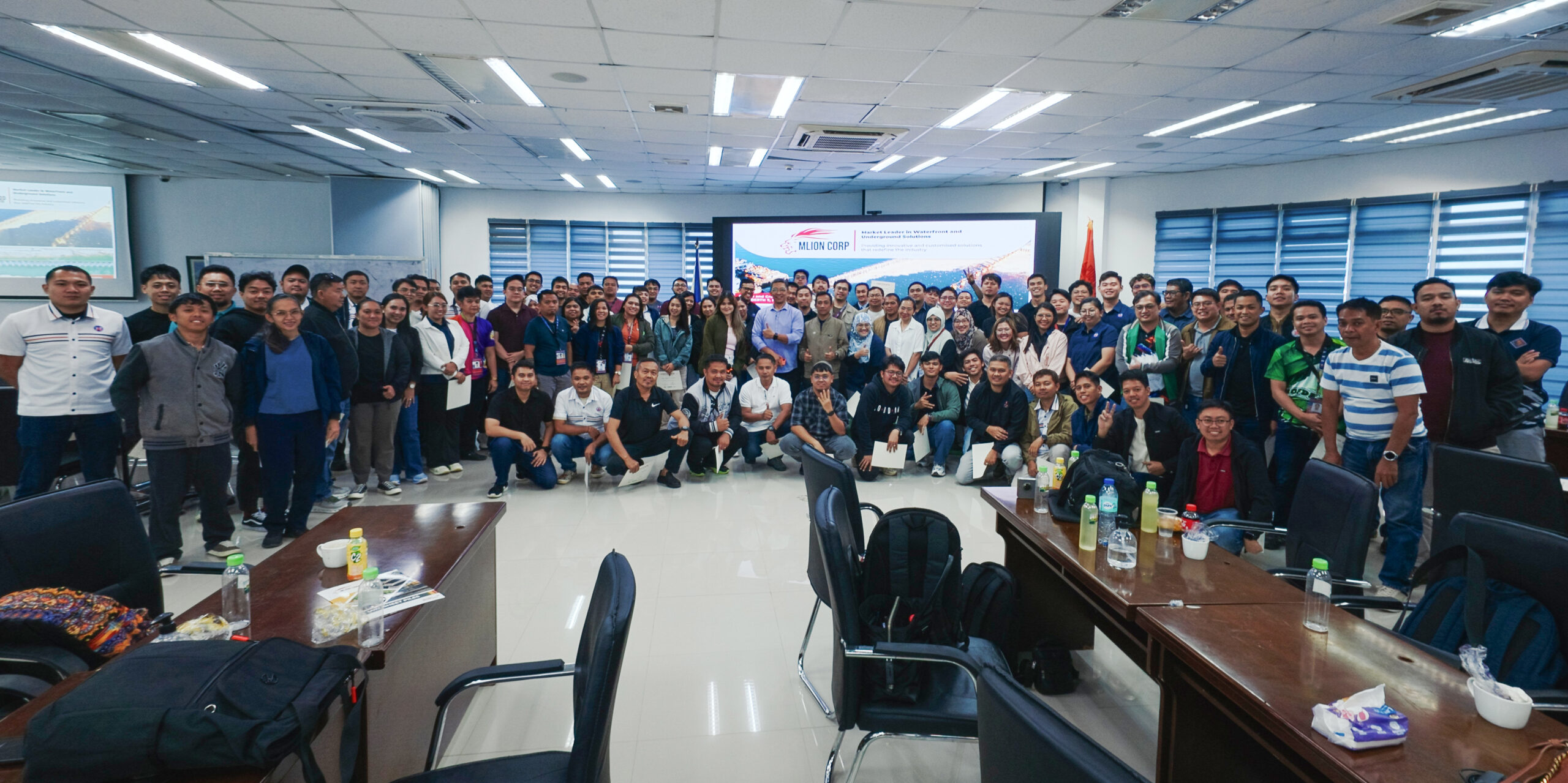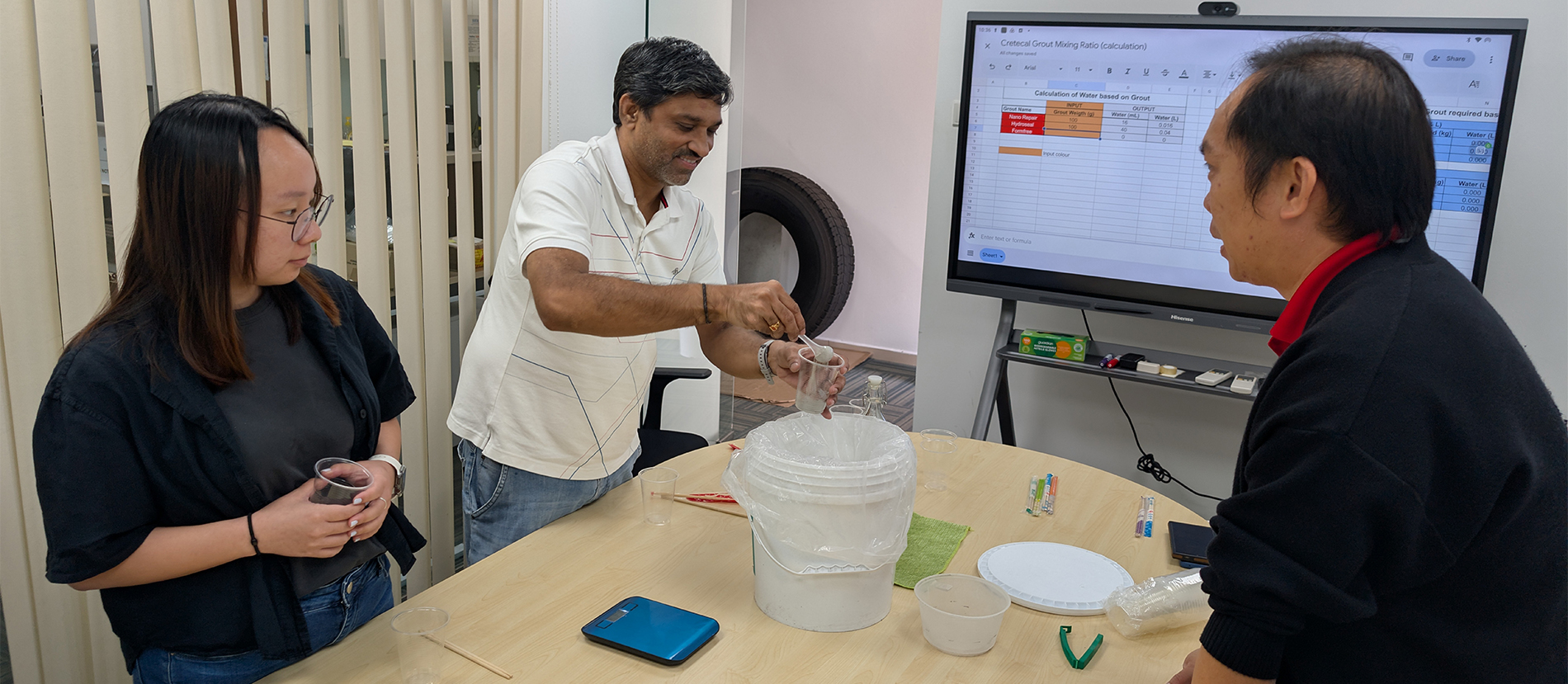





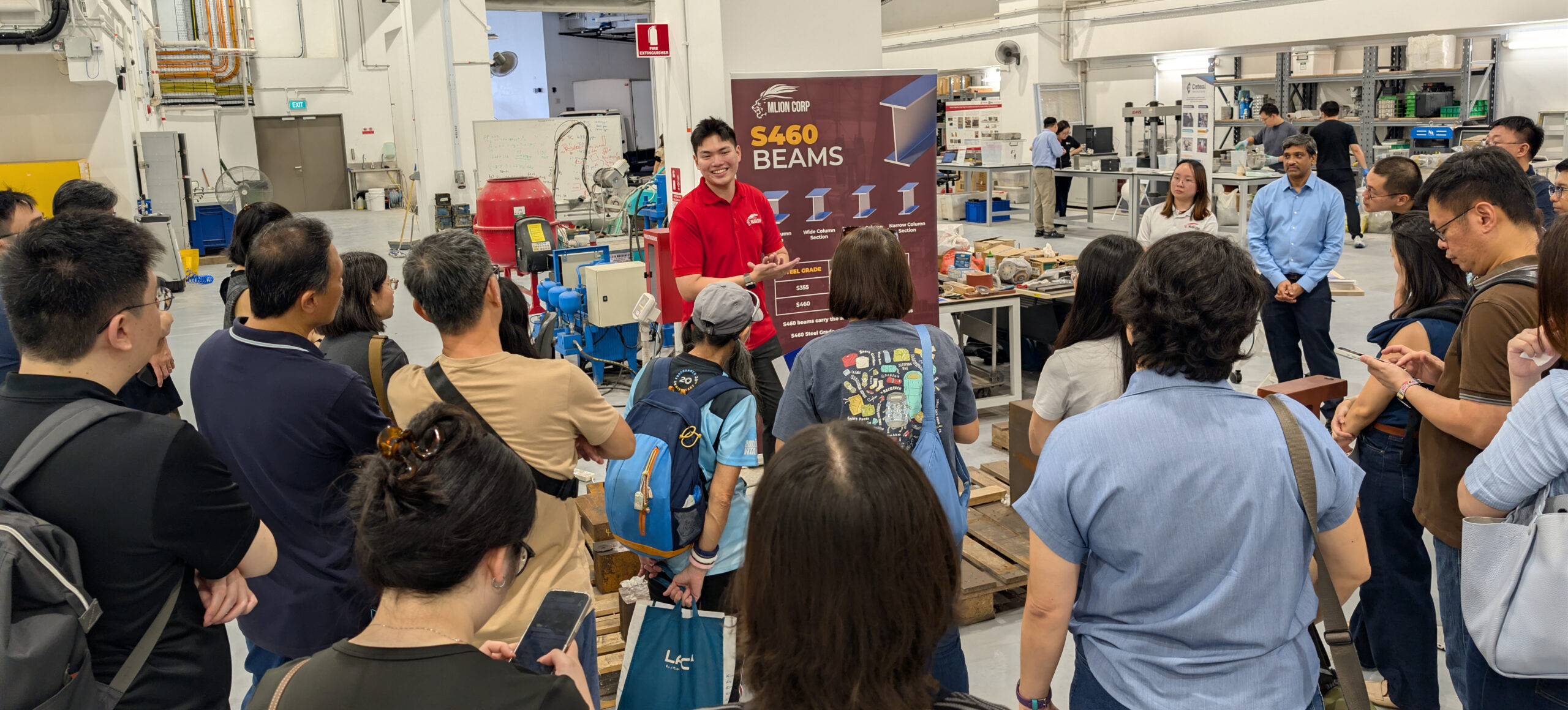
On 17 July 2026, as part of the nationwide Public Service Learning Fest, Mlion Corporation assisted Singapore Institute of Technology by hosting an interactive showcase. The session brought together a broad cross-section of public officers, including technical specialists from agencies such as the Building and Construction Authority (BCA) and JTC, alongside other civil servants from non-Built Environment backgrounds. With such a diverse audience, the presentation focused less on detailed engineering specifications and more on the wider themes underpinning modern infrastructure delivery, including digital transformation, resource efficiency and long-term asset resilience.
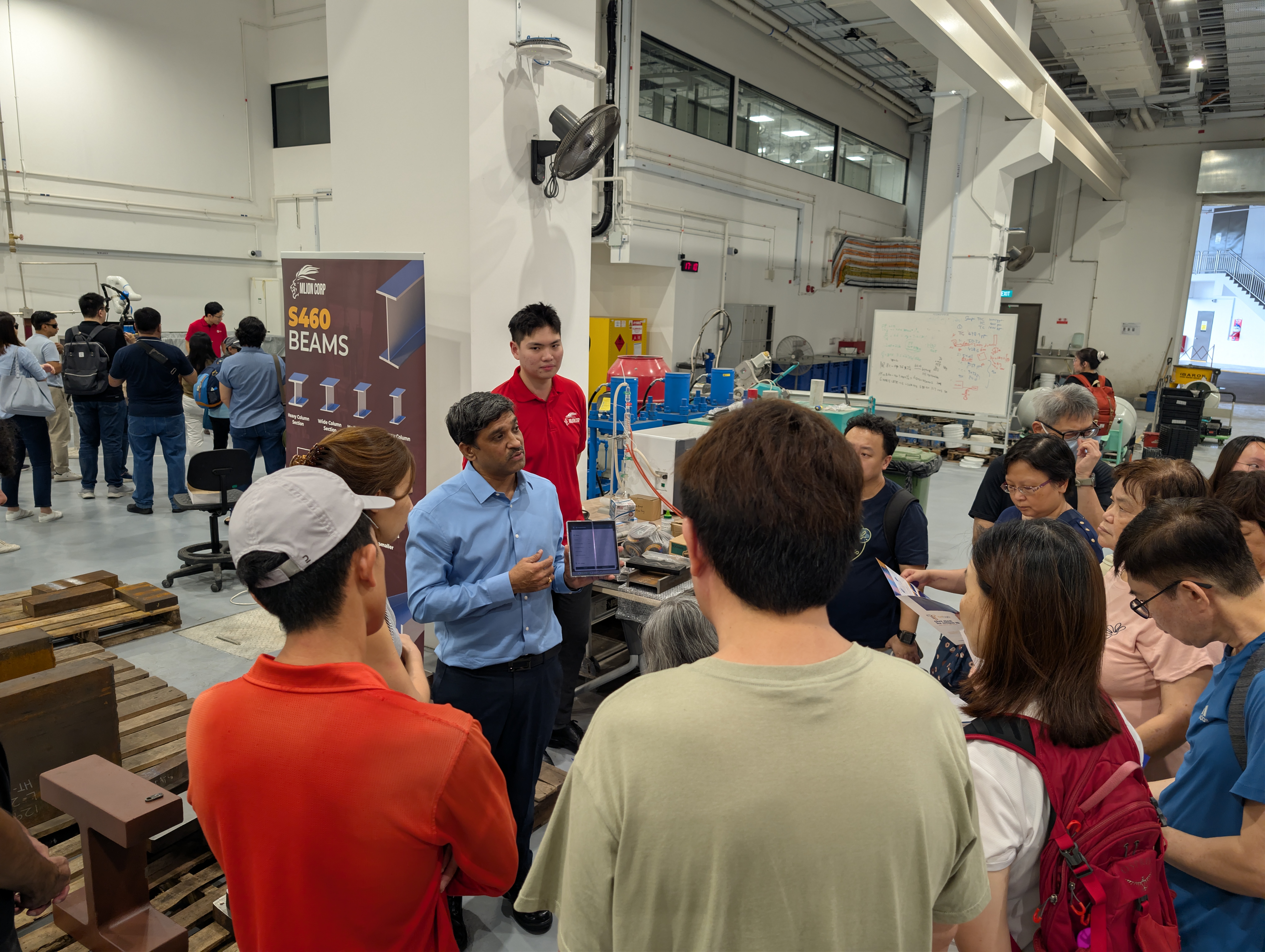
To demonstrate the practical application of digital transformation, Mlion introduced its GoTagID RFID Traceability solution. Rather than focusing solely on its technical capabilities, the presentation highlighted how RFID technology can strengthen transparency and accountability throughout the supply chain. By providing each structural component with a unique digital identity, the system reduces reliance on manual paperwork, supports material verification, and improves traceability from fabrication through to installation. For attendees outside the construction sector, it offered a practical example of how digital technologies can support better data management, more efficient processes and informed decision-making across complex operations, while also contributing to broader circular economy objectives.
The session also showcased Mlion’s S460 and S550 jumbo steel sections, using them as an example of achieving better outcomes through more efficient use of resources. High-strength steel enables structures to support demanding loads while requiring less material than conventional alternatives, with potential reductions in steel consumption of up to 30 per cent depending on the application. Beyond the engineering benefits, this can translate into lower transport requirements, reduced embodied carbon and more efficient construction. These examples illustrated how careful material selection can contribute to productivity and sustainability, principles that are equally relevant across the wider public sector.
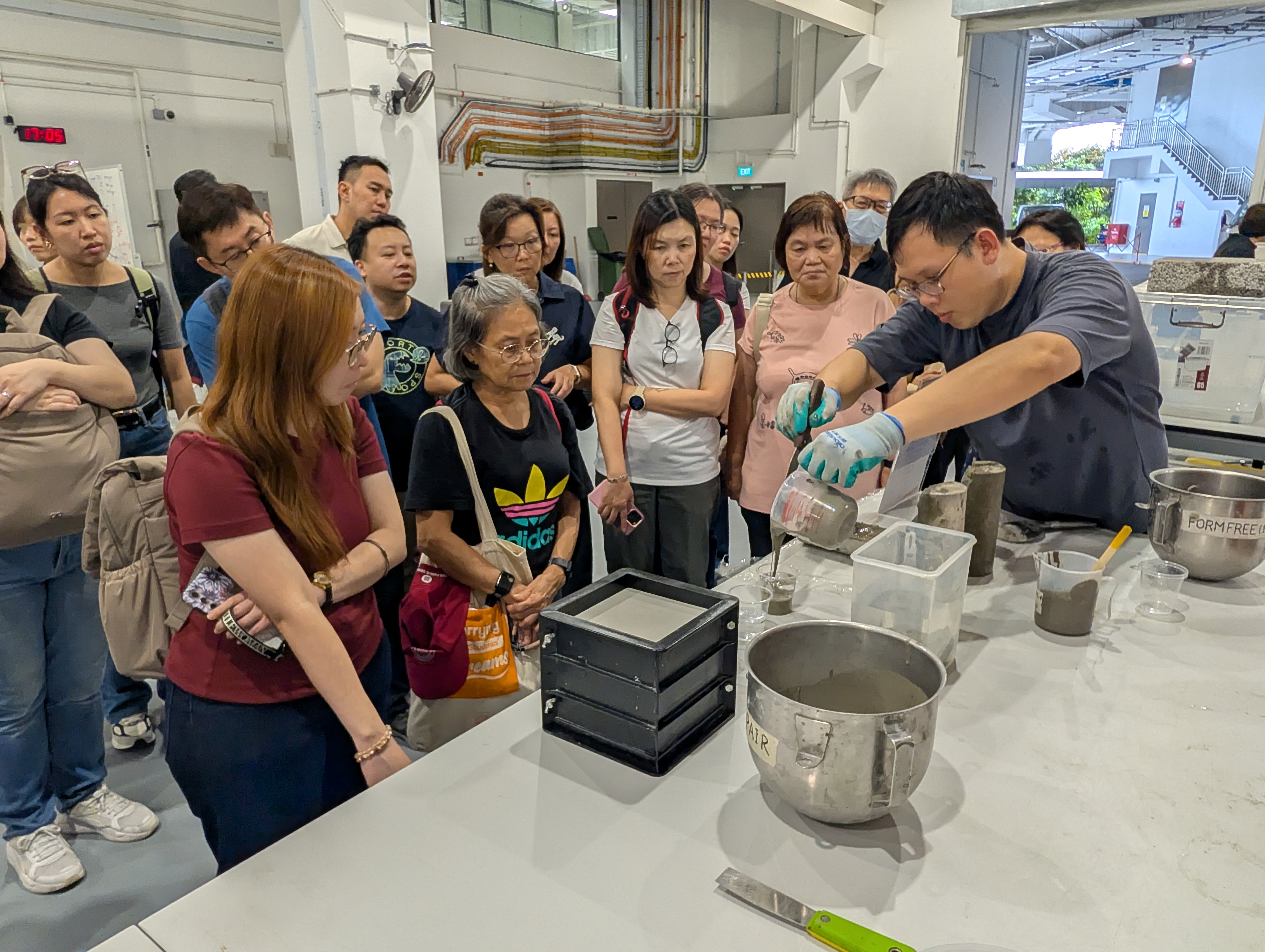
The third technical segment introduced Cretecal grout, a high-performance material designed for the rapid repair of critical infrastructure. The discussion focused on the importance of reducing downtime and restoring essential assets quickly when damage occurs. Its rapid-setting properties allow repair works to be completed within a shorter timeframe, helping to minimise disruption to transport networks, public facilities and other infrastructure that communities rely on. For public officers, this provided a practical example of how the right materials can support operational resilience, faster recovery and more effective continuity planning.
Mlion was pleased to support the Public Service Learning Fest by sharing emerging technologies and practical innovations with officers from across the civil service. While the solutions presented were developed for the infrastructure sector, the session demonstrated how principles such as digital transformation, resource optimisation and operational resilience can have wider relevance across government. By contributing industry knowledge and practical case studies, Mlion hopes to support continued learning and knowledge exchange, and remains committed to playing its part in advancing innovation for the benefit of the wider community.